Dog Training in Maryville, TN: Most Dogs Called ‘Off-Leash Trained’ Aren’t
Dog training in Maryville, TN: puppy training, obedience, off-leash control and board and train from trainers with 33 years of experience. Free consultation.
Serving Maryville, TN (ZIP 37801) and nearby neighborhoods. See all areas we serve
The Difference Between a Dog That Sometimes Listens and One That Always Does
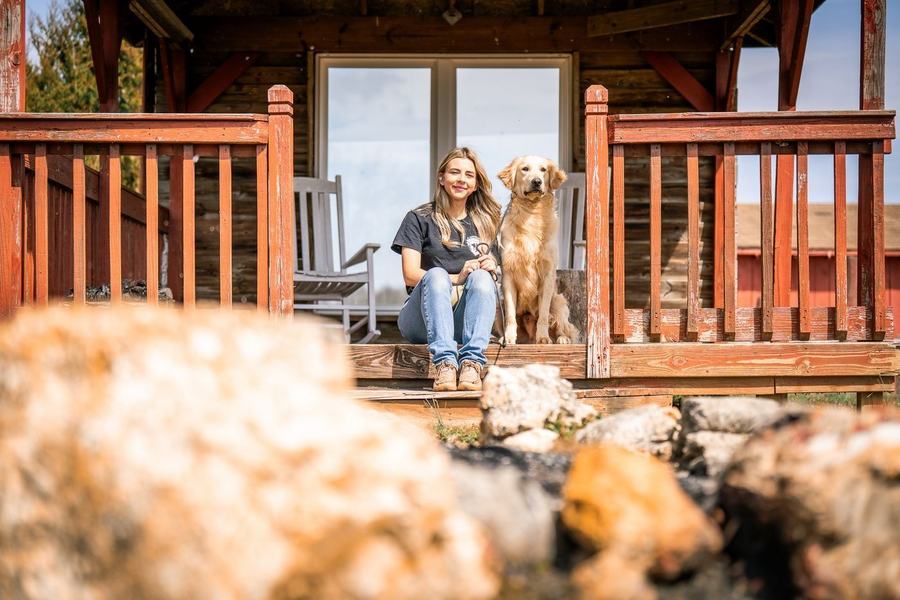
A dog that comes when called in the backyard is not off-leash trained. A dog that holds a down-stay while another dog passes fifteen feet away — and returns on recall the first time, at a distance, with no leash as backup — is. Most owners who think their dog has advanced obedience have trained a dog that performs under favorable conditions, which is a different skill set entirely. When those conditions change, as they do along Maryville's greenways, at Maryville City Park, or anywhere near the foothills of the Smokies, the illusion of control disappears immediately.
K9 Services Unlimited LLC builds advanced obedience and off-leash reliability by training specifically for the conditions where commands break down — not the conditions where they already work. That distinction is why dogs that complete this training respond to distance commands with the same compliance they showed at arm's length, and why their stays hold when movement, noise, and other animals are all present simultaneously. The handler stops managing every interaction through the leash and starts directing the dog through clear communication.
What Separates Advanced Obedience From Basic Compliance
The technical gap between basic and advanced obedience comes down to three variables: distance, duration, and distraction. Basic training addresses one at a time and rarely under real pressure. Advanced obedience combines all three simultaneously — a dog holding a stay at 30 feet while a jogger passes is working all three variables at once, and that requires a different training architecture than what produces a reliable sit in a quiet room. Sessions for advanced work in Maryville take place in the actual environments where these variables converge: open fields, park perimeters, trailheads where the foothills begin and wildlife scents are present.
Handler mechanics matter at this level in ways they don't at the beginner stage. A handler who releases a dog too early from a stay, or who calls recall without the authority to enforce it, teaches the dog that commands are suggestions rather than requirements. Advanced training includes direct handler coaching on the specific timing and consistency standards that make off-leash reliability durable rather than temporary. The observable result is a dog that can be trusted in public areas without a leash as the fallback.
If you're ready to move past leash dependency and build real off-leash control in Maryville, advanced obedience training closes the gap between the dog you have and the one you need. Learn More about what this program involves.
How to Evaluate Whether a Dog Is Actually Ready for Advanced Work
Owners often pursue advanced obedience training before assessing whether their dog's foundational skills are solid enough to build on. Rushing into off-leash work with an unstable foundation produces unreliable results and reinforces the wrong patterns. Knowing what to look for — and what gaps to close first — determines whether advanced training produces lasting control or just temporary performance.
- Does your dog hold a sit-stay for 60 seconds with mild movement around it, or does the behavior collapse when you take more than three steps away?
- Is recall reliable on the first command at 20 feet with a visual distraction present, or only when no competition exists?
- Can your dog walk neutrally past another dog on leash without requiring active physical management from you?
- Has your dog practiced commands in environments outside your yard and home — specifically in Maryville's public areas where real-world stimuli are present?
- Does your dog understand a release word that ends the command, or does it self-release when the behavior becomes uncomfortable?
These benchmarks determine the starting point, not the end goal. Advanced obedience and off-leash training in Maryville is designed for handlers serious about closing every one of these gaps. Learn More to find out where your dog stands and what the path forward looks like.
See Our Training in Action in Maryville
Real obedience training means your dog listens on walks and every day — not just in the classroom. See our approach.
Dog training programs for Maryville dog owners
K9 Services Unlimited provides dog training for families in Maryville and Blount County. Our trainers bring 33 years of experience to puppy training, obedience, behavior work and off-leash reliability, and every program includes coaching for you so the results carry over to everyday life around Maryville.
- Puppy training for early socialization, potty and crate training, and foundation commands
- Dog obedience training for leash manners and impulse control
- Advanced obedience and off-leash control for reliable recall at distance
- Board and train and day training for busy owners
- Behavior modification for aggression, reactivity and fear
Meet the dog trainers behind our programs, or see the other areas we serve.
Maryville dog training FAQs
Do you offer dog training in Maryville, TN?
Yes. K9 Services Unlimited serves Maryville and the surrounding Blount County area. Call (865) 455-5191 or schedule a free consultation and we will recommend the right program for your dog.
What is the difference between obedience training and off-leash training?
Basic obedience teaches commands in controlled settings. Off-leash training builds reliability at distance, over time, and around distractions, so your dog responds without a leash as a backup. Learn more about our advanced obedience and off-leash control program.
What training programs are available for Maryville dogs?
Programs include puppy training, dog obedience training, board and train, day training, and behavior modification. Every program includes owner education.
Keep exploring

Puppy Training in Knoxville, TN
Puppy training in Knoxville, TN: socialization, potty and crate training, and early obedience from trainers with 33 years of experience. Free quote.
Read more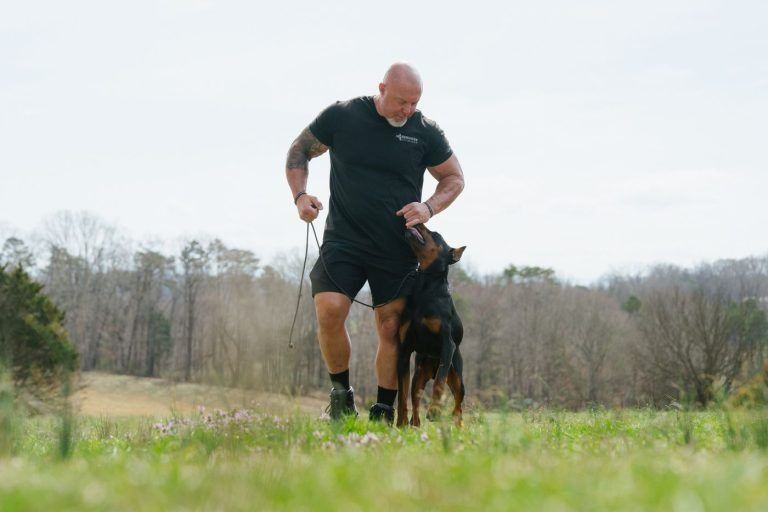
Dog Obedience Training Knoxville TN
Dog obedience training in Knoxville, TN: leash manners, commands and impulse control from trainers with 33 years of experience. Free consultation.
Read more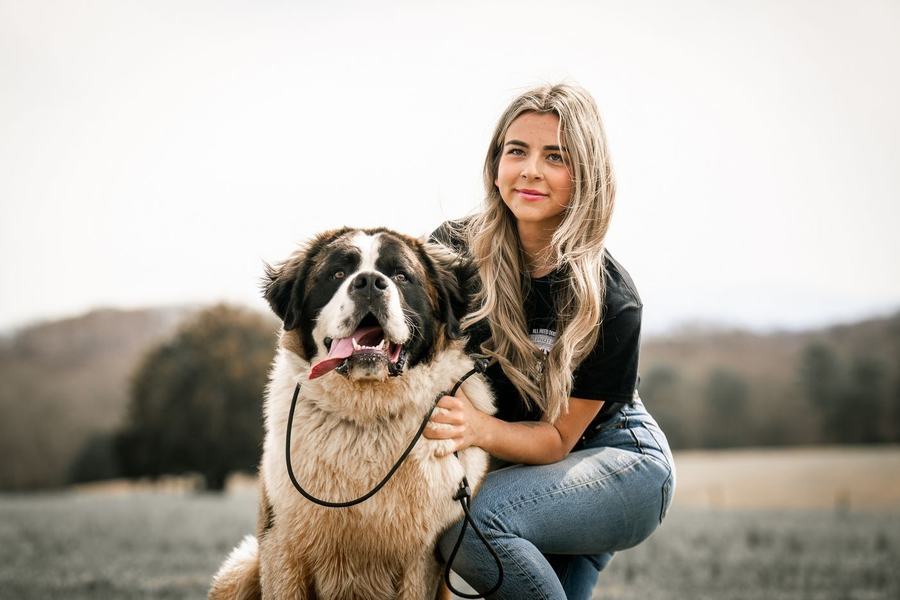
Board and Train in Knoxville, TN
Board and train dog training in Knoxville, TN: 4, 6 and 8-week programs with daily sessions and owner coaching from a trainer with 33 years of experie...
Read moreReady to get started?
K9 Services Unlimited trains dogs and their owners in Knoxville, Tennessee and the surrounding communities. Call us, send a message, or request a free consultation any day between 7 AM and 7 PM. Tell us about your dog, what you would like to change, and what a good result looks like for your household, and we will recommend a clear next step.
(865) 455-5191Every Day 7 AM - 7 PM
Schedule a free consultation