Working Dog Training in Farragut: What Separates a Functional Partner From a Well-Behaved Pet
Working dog training in Farragut, TN for security, detection, and protection roles — environmental stability, arousal-proof commands, and task clarity for field performance.
Serving Farragut, TN (ZIP 37934) and nearby neighborhoods. See all areas we serve
Performance Expectations in Working Roles Require a Different Training Architecture
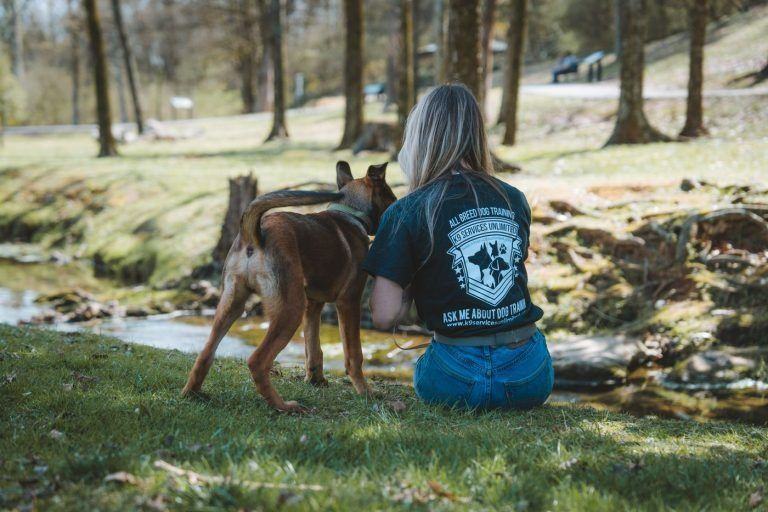
Pet obedience and working dog training share vocabulary — sit, stay, heel, recall — but they are not the same discipline. A pet that holds a down-stay for two minutes in the backyard has met a reasonable standard for a family dog. A working dog in a security or detection role that holds a down-stay for two minutes has only demonstrated that it can perform under the easiest possible conditions. Working dogs are evaluated on whether they perform when conditions are actively hostile to compliance: elevated arousal, physical stress, unfamiliar environments, and competing stimuli that would cause most dogs to disengage. That is the standard K9 Services Unlimited LLC builds toward for handlers in Farragut.
The wrong approach to working dog development — applying pet training methods to working-role dogs — produces a dog that appears trained until the environment demands actual performance. Handlers discover the gap when the dog fails to execute in a scenario that matters, which in working contexts can create genuine safety consequences. Working dog training in Farragut is built specifically around the performance standards of the role the dog will fill, not the general standards of household obedience.
The Standards That Working Dog Training Is Built Around
Working dog training in Farragut is organized around three non-negotiable performance criteria: environmental stability, command reliability under arousal, and task clarity. Environmental stability means the dog operates effectively in settings it hasn't seen before — parking structures, residential properties at night, commercial facilities, or any terrain that falls within the handler's operational range in and around Farragut's developed suburban corridors. A dog that shuts down or becomes distracted in a new environment is not environmentally stable regardless of how well it performs at home.
Command reliability under arousal is the technical benchmark that separates trained from functional. When a dog's drive is elevated — during a protection scenario, at the end of a long patrol, or during a detection task with competing odors — the commands it executes must be the same ones it executes when calm. Training uses controlled arousal induction paired with command execution requirements so the dog learns that the performance standard doesn't change with its internal state. Task clarity eliminates ambiguity from every behavior in the dog's working repertoire: the dog knows when to engage, when to disengage, what constitutes a target, and what the release signal means. Ambiguity in working contexts produces hesitation, and hesitation is a liability.
For handlers in Farragut who need a working partner that performs to actual operational standards, structured working dog training closes the gap between potential and reliable field performance. Contact Us to discuss your dog's role, current skill level, and what the development pathway looks like.
What to Evaluate When Choosing a Working Dog Training Program
Not every training program that uses working dog language is actually built around working dog standards. Handlers evaluating programs for security, detection, or protection roles need specific criteria to assess whether a program will produce the performance level their role demands — and whether the trainer understands the operational context the dog will work in.
- Does the program define specific performance benchmarks for each role — detection accuracy, protection engagement criteria, command execution under arousal — or does it use general obedience standards applied to working contexts?
- Are training environments varied enough to develop true environmental stability, including exposure to the kinds of settings common in Farragut's suburban and commercial zones?
- Does the program address the dog's specific drive profile and temperament, or apply a single methodology regardless of individual working aptitude?
- Is handler training included with enough depth that the handler can maintain performance standards and recognize early degradation in the dog's working behavior?
- How does the program define task clarity — can you observe unambiguous engagement and disengagement behavior in dogs that have completed the training?
The answers to these questions determine whether a working dog program will produce a functional partner or a dog that performs in training and falters in the field. Working dog training in Farragut built around operational standards gives handlers the certainty they need before relying on their dog in a working role. Contact Us to evaluate your specific requirements and discuss what the program delivers.
See Our Training in Action in Farragut
K9 Services Unlimited serves Farragut and the surrounding East Tennessee towns — in-person dog training, puppy obedience, and board & train programs, five-star rated.
Dog training in Farragut for family dogs
Not every dog in Farragut is a working dog. Farragut is part of the greater Knoxville area we serve every day. Justin Rigney has 33 years of professional dog training experience and Rebeka is a NePoPo Gold Certified trainer, and together they train family dogs as well as working dogs. Read more about our Knoxville training, our trainers and all the areas we serve.
Do you offer dog training in Farragut, TN?
Yes. K9 Services Unlimited serves Farragut and the surrounding area with puppy training, obedience, off-leash control, board and train, behavior modification and working dog training. Call (865) 455-5191 or request a free consultation.
What programs are available for Farragut dogs?
We offer puppy training, obedience training, off-leash control, board and train (4 or 6 weeks), behavior modification and working dog training. We recommend a program after a free consultation.
How do I get started with dog training in Farragut?
Call (865) 455-5191 any day from 7 AM to 7 PM or request a free consultation. Tell us about your dog and what you want to change, and we will recommend a clear next step.
Keep exploring

Puppy Training in Knoxville, TN
Puppy training in Knoxville, TN: socialization, potty and crate training, and early obedience from trainers with 33 years of experience. Free quote.
Read more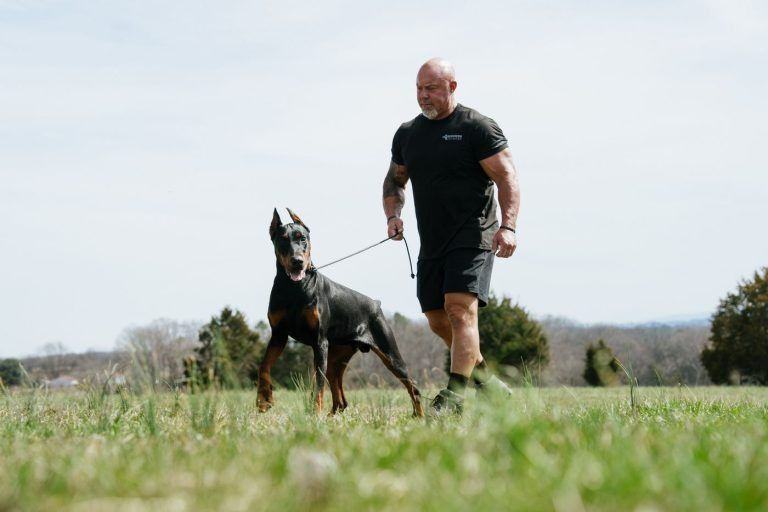
Dog Obedience Training Knoxville TN
Dog obedience training in Knoxville, TN: leash manners, commands and impulse control from trainers with 33 years of experience. Free consultation.
Read more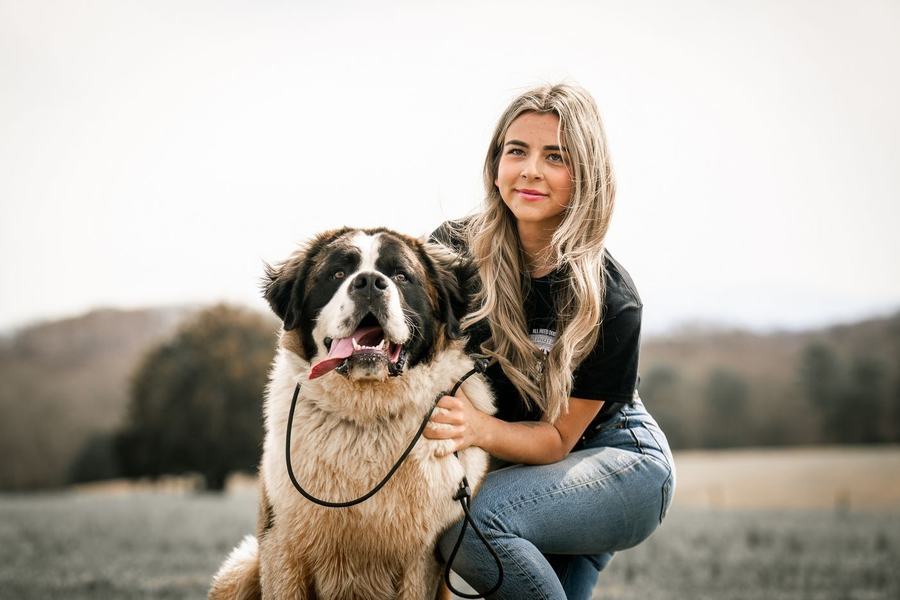
Board and Train in Knoxville, TN
Board and train dog training in Knoxville, TN: 4, 6 and 8-week programs with daily sessions and owner coaching from a trainer with 33 years of experie...
Read moreReady to get started?
K9 Services Unlimited trains dogs and their owners in Knoxville, Tennessee and the surrounding communities. Call us, send a message, or request a free consultation any day between 7 AM and 7 PM. Tell us about your dog, what you would like to change, and what a good result looks like for your household, and we will recommend a clear next step.
(865) 455-5191Every Day 7 AM - 7 PM
Schedule a free consultation