Dog Trainers for Knoxville, TN Families
Rebeka and Justin Rigney train Knoxville dogs through puppy foundations, obedience, board and train and behavior programs. 33 years of professional experience, 152 Google reviews at 5.0, and a free consultation to start.
Home base: 3504 Watkins Rd, Loudon, TN, roughly 30 miles from downtown Knoxville. Serving Knoxville and all surrounding areas. See all areas we serve
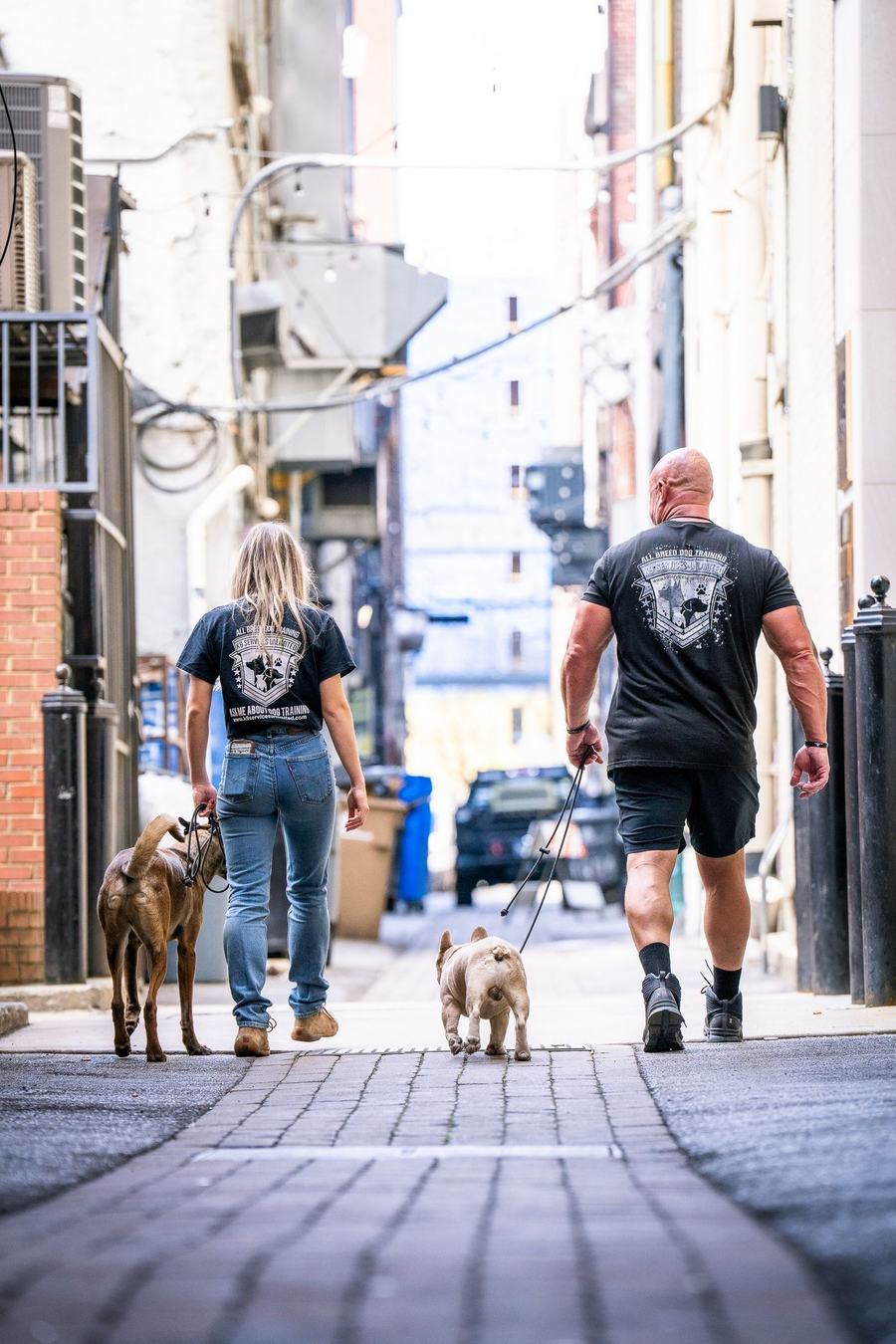
Dog training for Knoxville owners at K9 Services Unlimited costs $2,000 for a 2-week puppy head start, $3,500 for 4-week board and train, $4,500 for 6 weeks and $6,500 for 8-week behavior modification. Half is due at the start and half at the finish. Your dog trains one-on-one in our home in Loudon, not a kennel, and you learn the same skills so the results hold up at home.
Dog training programs and prices for Knoxville
| Program | Best for | Price |
|---|---|---|
| 2-Week Puppy Head Start | Young puppies: crate and potty training, nipping, recall and leash skills | $2,000 |
| 4-Week Board and Train | Everyday on-leash manners and structure | $3,500 |
| 6-Week Board and Train | Reliable off-leash control around distractions | $4,500 |
| 8-Week Behavior Modification | Aggression, reactivity, fear and resource guarding | $6,500 |
Not sure which fits? Read what dog training costs in Knoxville, see how long board and train takes, or request a free consultation and we will recommend a program.
Where a Knoxville dog's training gets tested
A dog that sits perfectly in the living room can fall apart on a busy sidewalk. Training only counts if it holds in the places your dog actually goes. In and around Knoxville, those places tend to expose different gaps:
- Third Creek Greenway and other greenways: joggers, cyclists and other leashed dogs passing close by test leash manners and impulse control.
- Downtown sidewalks around Market Square and Gay Street: crowds, outdoor dining and noise test focus and loose-leash walking. Our gallery includes sessions on downtown Knoxville streets.
- World's Fair Park and the Tennessee Riverwalk: open space and other dogs test recall and place work.
- Your own front door: guests, deliveries and door-rushing test settle and stay.
Problems Knoxville owners call us about
- Leash pulling that gets worse on busy routes because pulling has always worked
- Jumping on guests, because even negative attention reinforces it
- Recall that fails in open areas where running off is more rewarding
- Door-rushing and barrier frustration that makes every arrival a safety risk
- Commands that work in the kitchen and collapse near other dogs or cyclists
- Aggression or reactivity toward people or other dogs, handled through our behavior modification program
Each of these has a specific fix, and none of them needs a different dog. We teach you the timing and consistency that keep the training working after your dog comes home.
Your Knoxville dog trainers
Rebeka is NePoPo Gold Certified and known for clear communication, including regular progress updates during board and train programs. Justin Rigney has 33 years of professional dog training experience, including 17 years in law enforcement and 10 as a K-9 handler and trainer, and holds a diploma in the NePoPo Gold Training System. Meet the whole training team.

What Our Customers Say
We sent our Dutch Shepherd, Gigi, away for a 6 week board and train program. We would not be happier! Rebeka did a fantastic job. Her dedication and knowledge is unmatched. I would highly recommend anyone send their dog to K9 Services Unlimited. We can’t thank you enough!Abram F.
To say we are pleased with our experience with K9 Services Unlimited is a huge understatement. We are so happy with our decision to use them for training for our 6 month old Brittany, Bo. Rebeka was absolutely fantastic. I cannot say enough good things about our experience with her. We went with the 6 week off leash board and train. She was so communicative, sending weekly updates as well as quick response to any texts we had along the way. Bo came back home to us with fantastic discipline. We have already been able to see his training at work on hikes and visit to local restaurants. I would highly recommend Rebeka and the K9 staff to anyone looking for training for their dog.Patrick N.
Justin is definitely the best dog trainer out there. He took my Lab for 6 weeks and the transformation of him left me speechless. I have already sent Justin clients and will continue to do so.Griffin D.
Dog training in Knoxville: common questions
How much does dog training cost in Knoxville, TN?
K9 Services Unlimited charges $2,000 for a 2-week puppy head start, $3,500 for 4-week board and train, $4,500 for 6 weeks and $6,500 for 8-week behavior modification. Half is due at the start and half at the finish. See the full breakdown on our dog training cost page.
Where do you train, and how far is it from Knoxville?
Our home-based training is at 3504 Watkins Rd in Loudon, TN, roughly 30 miles from downtown Knoxville. Call (865) 455-5191 and we will talk through the best way to get your dog to us.
How long is board and train?
Our board and train programs run 4 or 6 weeks, and behavior modification runs 8 weeks. Your dog trains one-on-one every day, and you learn how to keep the results going at home.
Do you train puppies and aggressive or reactive dogs?
Yes to both. We start puppies as early as 8 weeks. Dogs with aggression, reactivity or fear go through an evaluation first, then our behavior modification program.
Is there a free consultation?
Yes. Call (865) 455-5191 any day from 7 AM to 7 PM or request a free consultation online. Tell us about your dog and we will recommend a program.
Which towns around Knoxville do you serve?
We serve Knoxville and East Tennessee, including Farragut, Maryville, Oak Ridge, Lenoir City, Loudon, Sevierville and Morristown.
Also serving Farragut, Maryville, Oak Ridge, Lenoir City, Loudon, Sevierville and Morristown.
Keep exploring

Puppy Training in Knoxville, TN
Puppy training in Knoxville, TN: socialization, potty and crate training, and early obedience from trainers with 33 years of experience. Free quote.
Read more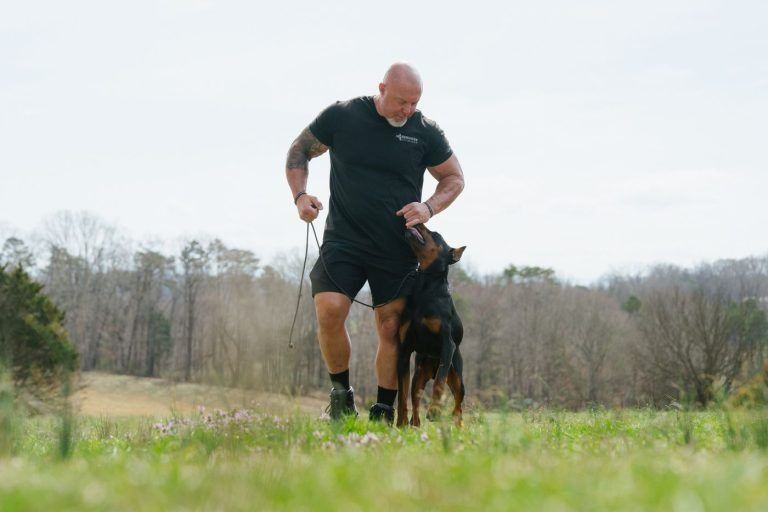
Dog Obedience Training Knoxville TN
Dog obedience training in Knoxville, TN: leash manners, commands and impulse control from trainers with 33 years of experience. Free consultation.
Read more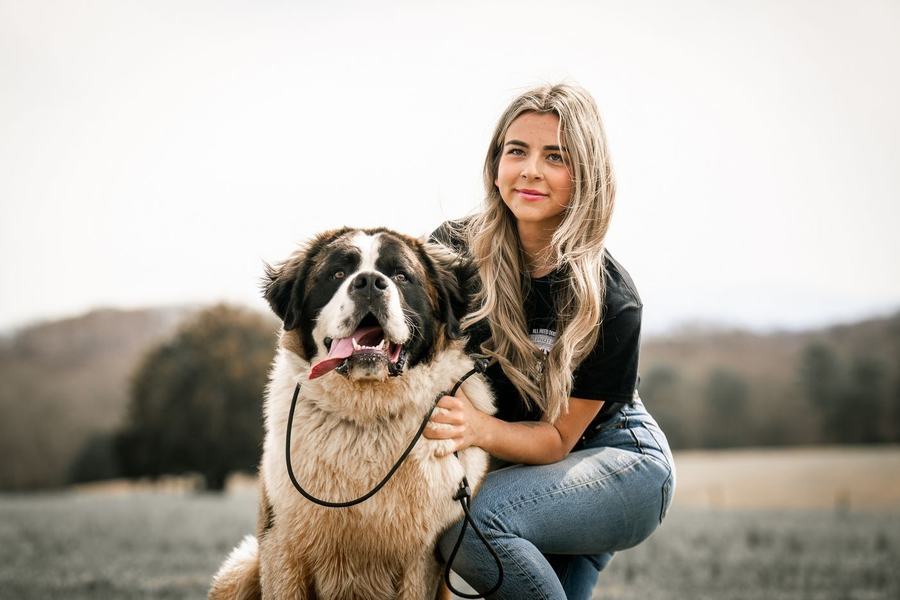
Board and Train in Knoxville, TN
Board and train dog training in Knoxville, TN: 4, 6 and 8-week programs with daily sessions and owner coaching from a trainer with 33 years of experie...
Read moreReady to get started?
K9 Services Unlimited trains dogs and their owners in Knoxville, Tennessee and the surrounding communities. Call us, send a message, or request a free consultation any day between 7 AM and 7 PM. Tell us about your dog, what you would like to change, and what a good result looks like for your household, and we will recommend a clear next step.
(865) 455-5191Every Day 7 AM - 7 PM
Schedule a free consultation