Leash Training in Knoxville, TN
A walk should not feel like a tug of war. Leash pulling is one of the most common reasons Knoxville owners call a trainer, and it is also one of the most fixable. Here is why dogs pull, how loose-leash walking is taught, and what to practice around the distractions you will meet on real walks.
Why dogs pull
Dogs pull because it works. Every time you follow a pulling dog toward a smell or another dog, the pulling is rewarded. Add excitement, a lack of foundation skills and a dog that moves faster than you do, and the pattern becomes a habit.
The basics of loose-leash walking
- Start with low distractions. Teach the skill indoors or in the yard before you try a busy street.
- Reward position. Pay your dog for staying near you with a loose leash, not for pulling toward a goal.
- Stop or turn when the leash goes tight. Moving forward only when the leash is loose teaches that tension does not get your dog where it wants to go.
- Add a release cue. Dogs need to sniff and be dogs. A clear "go sniff" signal lets your dog earn it.
- Raise the difficulty gradually. Add distractions only as your dog succeeds.
- Be consistent. Everyone who walks the dog should use the same rules.
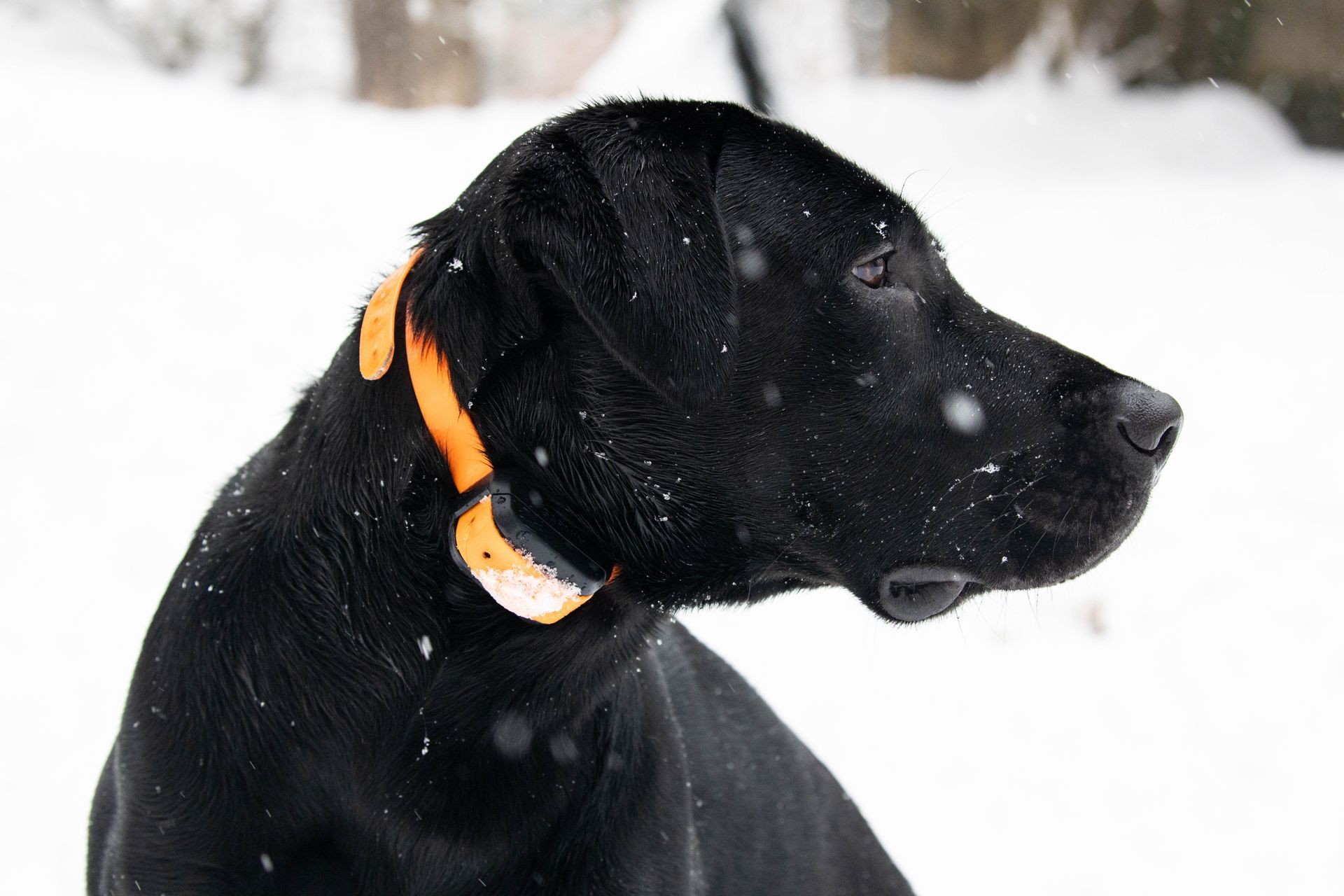
Exercise before training helps your dog focus. Equipment such as a well-fitted harness or collar can make walks easier to manage, but equipment alone does not teach the behavior.
Walking in the real world around Knoxville
Greenways full of runners and cyclists, downtown sidewalks and patios, trailheads, game-day crowds and neighborhoods full of other dogs are very different from a quiet backyard. Teach the skills your dog will need there: a sit or wait at curbs, a solid leave it, passing other people and dogs politely, and recall that works when something exciting appears.
Common leash problems
- Lunging at squirrels or dogs: distance, timing and impulse control work.
- Leash biting: see our article on stopping a dog from biting the leash.
- Barking, lunging or panic around other dogs: this may be reactivity, which needs a different approach. See reactive dog training in Knoxville.
How we help
Leash walking is a core part of our obedience training, along with essential commands and impulse control. Busy owners can add daily practice through day training or board and train, and once leash skills are solid you can move on to off-leash training. Puppies can start early in our puppy program.
Not sure where to begin? Contact us and tell us about your dog.
Frequently asked questions
How long does it take to teach a dog to stop pulling?
It depends on your dog's age and history and on how consistently everyone practices. Many dogs show clear improvement in a few weeks of focused work, but strong habits take longer to break.
Do harnesses stop pulling?
Some front-attaching harnesses reduce a dog's leverage and make walks easier to manage, but they manage the behavior rather than teaching it. Pair equipment with training.
Does my dog have to walk on my left side?
No. Either side works as long as you are consistent. Competition-style heeling is a separate skill from everyday loose-leash walking.
Related guides
- Dog Obedience Training in Knoxville, TN
- Reactive Dog Training in Knoxville, TN
- Off-Leash Dog Training in Knoxville, TN
Related: dog obedience training in Knoxville, TN and dog trainers in Knoxville, TN.
Talk to us about your dog
K9 Services Unlimited trains dogs and their owners in Knoxville, Tennessee and the surrounding area, including Farragut, Maryville, Lenoir City, Loudon, Oak Ridge, Sevierville and Morristown. Request a free quote and tell us about your dog, or see the areas we serve. We are available every day from 7 AM to 7 PM.