Essential Tips to Keep Your Dog Happy and Healthy Every Day
September 5, 2024
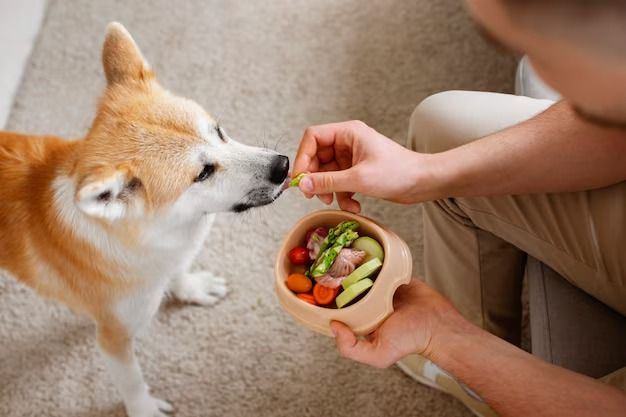
Proper Nutrition
- Balanced Diet: Discuss the importance of a balanced diet tailored to your dog’s age, breed, and health.
- High-Quality Dog Food: Recommend choosing high-quality commercial dog food or a well-planned homemade diet.
- Hydration: Emphasize the importance of fresh water and how it affects your dog’s health.
2. Regular Exercise
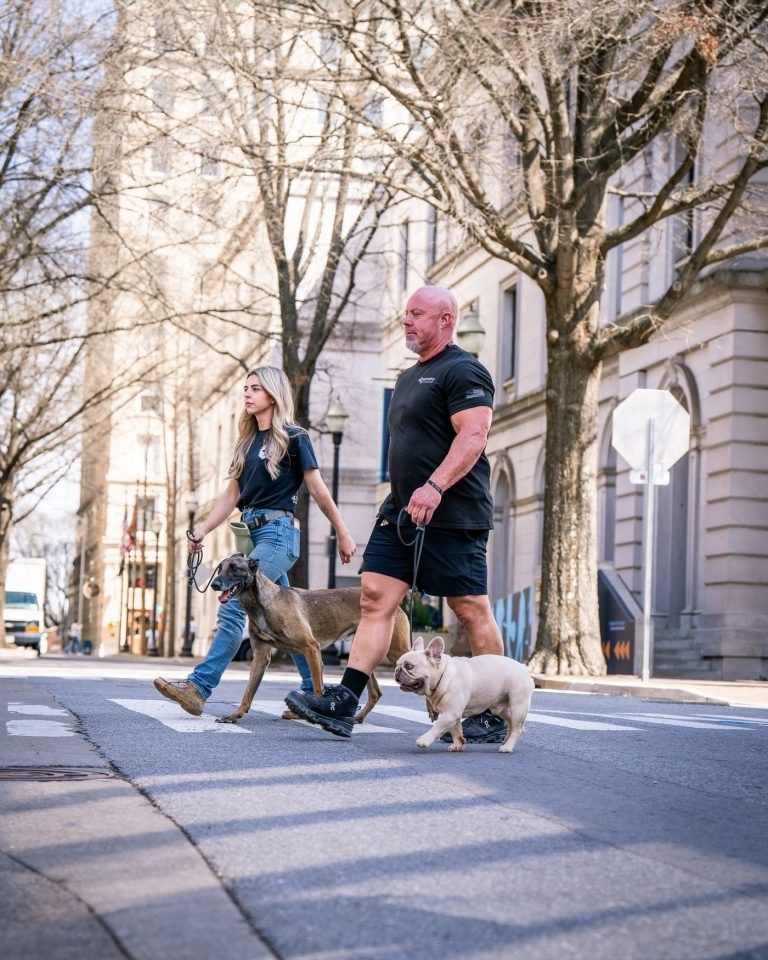
- Daily Walks: Suggest the benefits of regular walks for physical and mental stimulation.
- Playtime: Highlight the importance of interactive play (fetch, tug-of-war) and its benefits for bonding and exercise.
- Breed-Specific Needs: Mention that exercise needs can vary by breed and age.

3. Routine Grooming
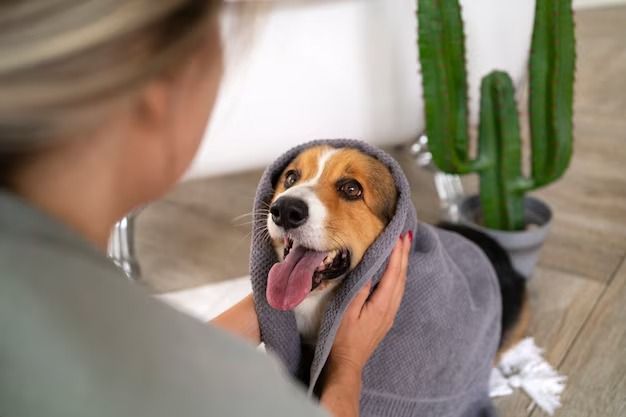
- Brushing: Explain the benefits of regular brushing to prevent mats and reduce shedding.
- Bathing: Provide guidelines on how often to bathe a dog and the best products to use.
- Nail Trimming and Ear Cleaning: Include tips on maintaining healthy nails and ears.
4. Veterinary Care
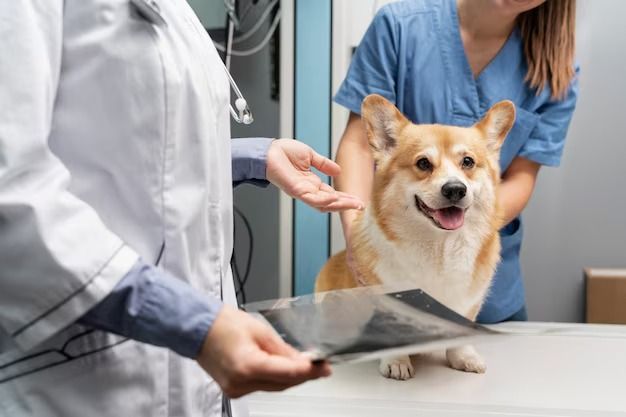
- Regular Check-ups: Stress the importance of annual vet visits for health checks and vaccinations.
- Preventative Medications: Discuss the need for flea, tick, and heartworm prevention.
- Dental Health: Mention the importance of dental check-ups and how to maintain oral hygiene at home.
5. Training and Socialization
- Basic Commands: Highlight the benefits of training your dog in basic commands (sit, stay, come).
- Socialization: Emphasize the importance of socializing your dog with other pets and people.
- Positive Reinforcement: Discuss using positive reinforcement techniques for effective training.

6. Mental Stimulation
- Interactive Toys: Recommend toys that stimulate your dog’s mind and prevent boredom.
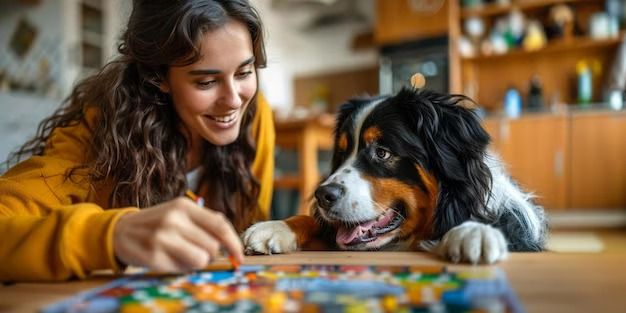
- Puzzle Games: Suggest puzzle games or treat-dispensing toys to engage your dog’s problem-solving skills.
- Training Challenges: Encourage incorporating new tricks or commands into playtime.
7. Safe Environment
- Home Safety: Discuss creating a safe and comfortable living space for your dog.
- Hazardous Items: Mention common household items that can be harmful to dogs and how to keep them out of reach.
- Identification: Stress the importance of proper identification (tags, microchipping) in case your dog gets lost.